Lower Coating Weights and Additional Barrier Performance
Sustainable Lamination: Balancing Performance and Circularity
von Piero Brambilla,
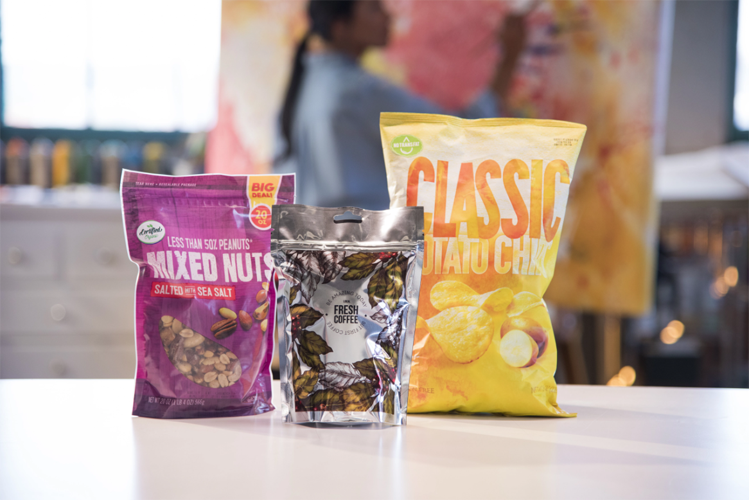
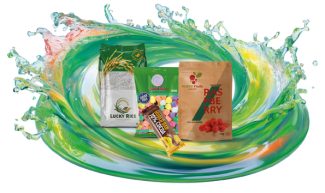
In flexible packaging, the choice of laminating adhesive influences both processing performance and the recyclability of the finished laminate.
(Source: Sun Chemical)
Laminating adhesives influence both the efficiency of packaging production and the recyclability of finished laminates. Solvent-free and water-based systems offer different approaches to reducing emissions and advancing packaging structures. The key is to consider product protection, processing requirements and end-of-life management together.
The drive towards greater sustainability is shaping every stage of flexible packaging production. Laminating adhesives are playing an increasingly important role in this development: they can help reduce environmental impact without compromising packaging functionality or manufacturing productivity. Regulatory requirements, consumer expectations and brand owners’ sustainability targets are increasing the pressure to act. What is needed are solutions that combine environmental improvements with technical performance and economic efficiency.
Anzeige
Regulatory conditions are changing particularly rapidly in Europe. The Packaging and Packaging Waste Regulation (PPWR) is prompting packaging manufacturers to reassess their material concepts. As part of this process, adhesives are also receiving greater attention as an integral component of packaging structures.
Sustainable lamination addresses two key areas. In production, the focus is on reducing energy consumption, emissions and other environmental impacts while improving process efficiency. In laminate design, the central question is how the adhesives used affect mechanical plastics recycling, paper recycling and other recovery routes. Both aspects must remain compatible with the functional requirements of demanding packaging applications.
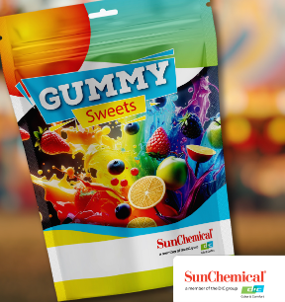
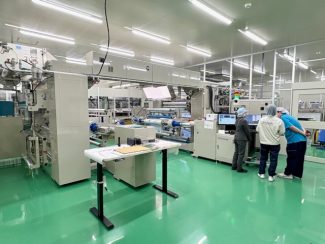
Solvent-free laminating adhesives can help reduce energy consumption and solvent-related emissions in flexible packaging production. (Source: Sun Chemical)
Reducing Solvent Use in the Lamination Process
One of the major developments in recent years has been the increasing use of solvent-free and low-solvent adhesive technologies. Solvent-based systems have become established in many flexible packaging applications because of their performance characteristics. However, growing sustainability requirements are driving demand for alternatives that reduce energy consumption and volatile organic compound (VOC) emissions.
Solvent-based adhesives remain relevant for numerous applications. At the same time, solvent-free systems are gaining importance. During curing, no solvent needs to evaporate, eliminating the associated VOC emissions. Since solvent drying is not required, energy consumption and the resources needed for exhaust air handling and solvent management can be reduced. Equipment requirements and processing times may also decrease as a result.
The evaluation of solvent-free and water-based technologies should therefore extend beyond the purchase price of the adhesive itself. A sound economic assessment considers the total cost of ownership, including energy consumption, waste generation, equipment availability and the costs associated with regulatory compliance.
Environmental improvements are particularly attractive from an economic perspective when they do not create additional cost barriers. Advances in solvent-free technologies have expanded their range of applications. Today, they can meet performance requirements that previously called for solvent-based systems, thereby enabling more efficient production.
Water-Based Adhesives as an Alternative
Water-based adhesives offer another approach to reducing the use of organic solvents and the associated VOC emissions. They can be processed on laminating equipment that is also used for solvent-based systems. This allows manufacturers to make the transition without fundamentally modifying their production machinery.
However, water-based systems still require the carrier medium to be dried. Consequently, they cannot achieve the same energy savings as solvent-free technologies. Nevertheless, they can represent a practical alternative for companies seeking to reduce VOC emissions while largely retaining their existing production processes.
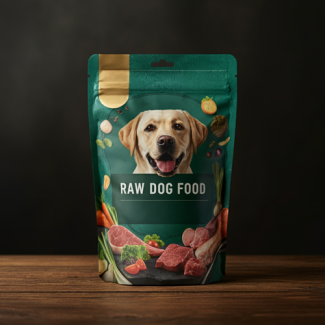
In addition to bonding layers together, multifunctional laminating adhesives can also contribute to the barrier performance of flexible packaging. (Source: Sun Chemical)
Water-based adhesives are also increasingly being used for paper laminates. The recycling requirements for these structures differ from those of mechanical plastics recycling. Suitable chemical formulations and favourable behaviour during fibre repulping can support material recovery and thus contribute to the circularity of paper-based packaging.
Water-based and solvent-free technologies therefore complement one another. The most suitable solution depends on the operating conditions, the required packaging properties and the specific sustainability objectives.
Developing Recyclable Laminate Structures
The efficiency of the lamination process is only one part of the equation. Equally important is the contribution of the adhesive to the recyclability of the finished packaging.
One major focus is on mono-material packaging. Adhesive systems must provide the necessary product protection and shelf life while remaining compatible with the intended mechanical recycling process. To support packaging manufacturers and brand owners in implementing the relevant design guidelines, Sun Chemical has expanded its portfolio of solvent-free adhesive technologies. According to the company, this includes systems certified for existing polyethylene and polypropylene recycling processes.
In plastics recycling, interest is also growing in technologies that facilitate the separation of laminate layers (delamination) and the removal of printing inks (deinking). The aim is to improve the quality of recycled materials and preserve their value.
For paper packaging, by contrast, the focus is on how adhesives behave during repulping and fibre recovery. Development efforts include reducing the formation of fine and coarse adhesive particles during recycling. More favourable adhesive behaviour can improve packaging recyclability and facilitate material recovery.
These requirements extend beyond the lamination process itself. They demonstrate that adhesives cannot be evaluated solely on their processability and bond strength: their behaviour during subsequent recycling and recovery processes is equally relevant.
Lower Coating Weights and Additional Barrier Performance
One of the main challenges when moving from combinations of different materials to mono-material structures is achieving the barrier performance required for many demanding applications. At the same time, the amount of adhesive used in the laminate should be kept as low as possible without compromising its functionality.
With DUALAM, Sun Chemical offers a fast-curing, solvent-free laminating technology that, according to the company, delivers performance comparable to standard systems at a lower dry coating weight. In addition to the benefits of solvent-free processing, the reduced coating weight lowers the adhesive content of the laminate. This means that less material other than the primary substrate needs to be handled during mechanical recycling.
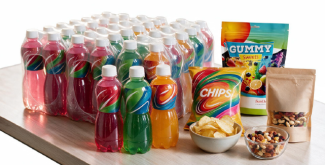
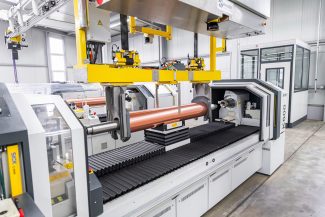
The design of sustainable packaging influences product protection, manufacturing efficiency and recyclability. (Source: Sun Chemical)
Other adhesive technologies combine process efficiency and product protection with additional functionality. One example is Sun Chemical’s PASLIM barrier adhesive technology. According to the company, this patented solvent-free technology improves the gas barrier properties of mono-material structures while providing the performance characteristics of conventional solvent-free systems.
Barrier adhesives can therefore enable simpler packaging structures that provide the necessary product protection and shelf life. In such applications, the adhesive performs an additional function beyond bonding the layers together. These approaches illustrate how adhesive technology can influence both packaging production and its subsequent recovery.
Greater Functionality with Less Material
There is no universal technology for sustainable lamination. The appropriate solution depends on the requirements of the application, the available production equipment and the intended recovery route.
For some packaging manufacturers, solvent-free systems offer a direct way to reduce energy consumption and the associated CO₂ emissions. For others, water-based technologies provide a practical means of continuing to use existing equipment while reducing solvent consumption. At the same time, new adhesive formulations support the development of mono-material structures and improve packaging compatibility with established recycling processes.
As customer expectations and regulatory requirements evolve, there is a growing need to achieve greater functionality with fewer layers and processing steps. The objective is to develop lighter, more recyclable packaging that can be brought to market more quickly. This requires multifunctional adhesives that combine high bond strength and suitable barrier properties with a reduced environmental impact.
Alongside the recyclability of the finished packaging, the lamination process itself is therefore becoming increasingly important. The choice of adhesive affects energy consumption, emissions and manufacturing requirements. Sustainability objectives can only be addressed comprehensively when production, packaging functionality and end-of-life management are considered together.
Sun Chemical aims to support this development through collaboration with its customers and the continued advancement of adhesive formulations and applications. In doing so, the company intends to take account of changing regulatory conditions as well as the technical and economic requirements of the market.
Piero Brambilla is Global Product Director for Functional Coatings, Adhesives and Cold Seal Systems at Sun Chemical. He has been working in the flexible packaging industry since 1997. Before joining Sun Chemical, he held senior technical positions at Morton, Rohm & Haas and Dow. His areas of expertise include laminating adhesives and their interaction with printing inks and packaging films.